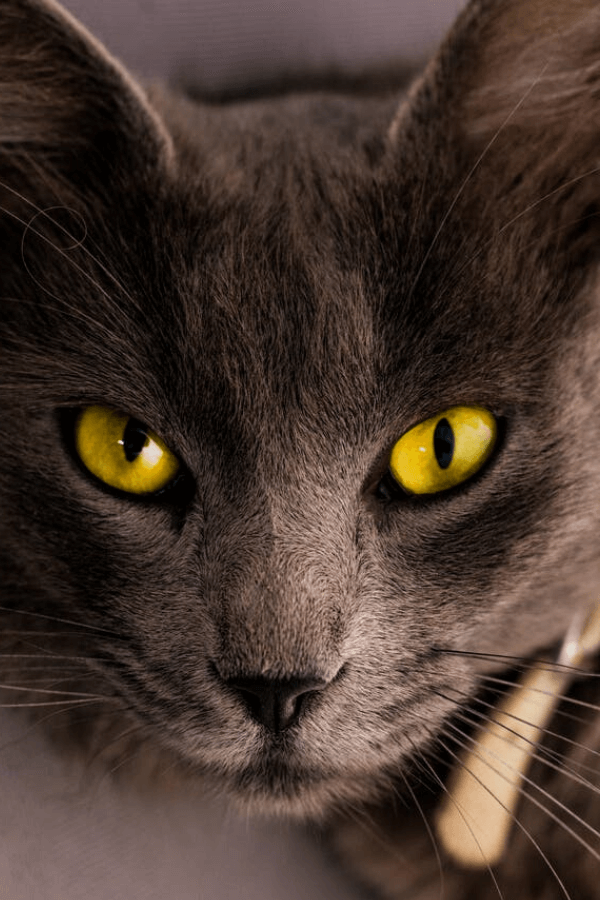
Glaze over means becoming glassy or taking a glass-like appearance. In other words, we can say hazed, fogged up, became cloudy, dulled, or opaque. So, glazed-over eyes mean they fogged up or cloudy.
Why do cat eyes glaze over?
A cat eye glaze over means it appears cloudy or glassy. Due to excessive tearing, a cat’s eye looks glassy and suffers inflammation or pain. Your cat needs an urgent veterinary visit for the cure.
What do glazed eyes tell about my cat’s health?
Well, it’s a great question because that subjective symptom is a real sign to internal balance. So, if glazed eyes persevere or the behavior of your cat or part of BEAM (behavior, energy, appetite, and mood) is off, then you can visit the vet.
If it keeps going for more than 24 hours, if your cat is older than 12 or 14, or if they are showing any other abnormal symptoms that continue, visit your vet.
Cloudy eyes in cats:

However, eye disease is more common in dogs than in cats. If your cat’s eye or eyes appear cloudy, visit your vet as soon as possible. Since a cloudy eye is symptomatic of a number of severe eye conditions, a veterinian instant attention is helpful in diagnosing the main cause of cat’s sight.
Cloudy eye is symptomatic of several eye diseases in cats, including A corneal ulceration, keratitis, cataracts, and glaucoma.
Cloudy eyes may indicate many diseases of the cornea and lens. Certain toxins or chemicals exposure is the cause of secondary non-infectious in the eyes.
Through several tests, your vet can reach a definitive diagnosis, which may include: cell culture, corneal stain, microscopic examination of corneal tissue, by using a tonometer.
Treatment will vary, depending on the rudimentary cause and also on the condition, how severe it is. Recovery will vary, as it depends on the severity of condition and the treatment success rate.
The average vet cost for cloudy eyes in cats is 800$, ranging from $200 to $2,500.
Glaucoma in cats:
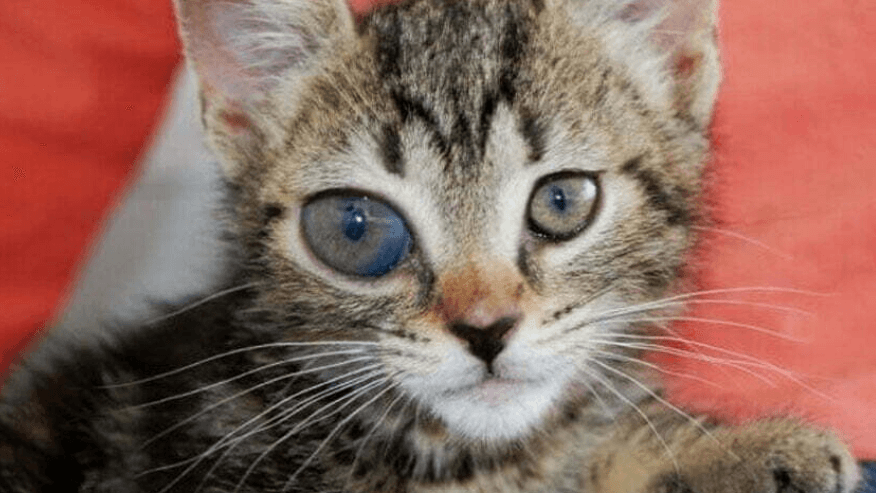
A cat’s normal vision is more advanced than humans, but they are also prone to many conditions that affect our vision if left untouched.
Cataract opacity of the lens generates glaucoma. Cataracts are more uncommon in cats than dogs, so it’s essential to treat the primary cause of them when found.
An affected lens is removed in eligible cats by surgery and intraocular lens is inserted, so that the cat access the normal vision.
Glaucoma is basically, the increased pressure inside the eye cells. The eye produces aqueous humor, this clear fluid sustains the eye shape and also nourishes the eye tissues. This fluid maintains eye pressure by keeping the production and drainage in balance.
With glaucoma, the drainage seals, and the fluid production continues in the eye. Therefore, the pressure increases within the eye. It gives rise to sight stretching and enlarging. It also causes blinding.
Primary glaucoma usually begins in one eye in most cats, but it ultimately involves both eyes and causes complete blindness.
Secondary glaucoma appears when decreased fluid drainage occurs due to some eye disease.
Chronic retinal detachment, inflammation inside the eye, uveitis, advanced cataracts, and cancer in the eye lens subluxation or luxation cause secondary glaucoma in cat eyes.
Uveal tract inflammation also results in secondary glaucoma in cats.
Uveitis is pigmented vascular part of the eye. It is important to determine whether your cat has primary or secondary glaucoma because for each type, particular treatment and diagnosis for vision is required. The only technique to verify glaucoma in your cat is, a veterinarian measures the intraocular pressures.
Glaucoma signs consists of:
- Red, bloody or a cloudy cornea
- Vision loss also occurs in glaucoma; however, we can’t detect the loss of vision in one eye because animals compensate with their remaining eye sight.
- Ultimately, the eye extends and expands due to the increase pressure.
Unfortunately, generally permanent eye blindness occurs by the time they become enlarged.
Glassy eyes in the elderly:
Glassy eyes in elderly cats mean the vision becomes cloudy when they get older. It’s known as cat cataracts. Senior felines primarily suffer from cataracts.
The lens becomes cloudy ma harder for the light to get in. As a result, impaired vision and sometimes blindness occur in a cat’s eye.
The vet can quickly diagnose this fundamental problem causing the damage and take further steps to slow down existing cataracts.
Sometimes it is caused due to eye inflammation or injury within the eye, but it is also because of genetic susceptibility. It results from specific genetic variations inherited by a parent and, a few times, removed by cataract surgery.
Cataract surgery for cat’s costs, in case of a pre-existing condition, pet insurance companies cover. If the pet is not insured, the average cataract surgery ranges from $2700 to $4100.
Keratitis:
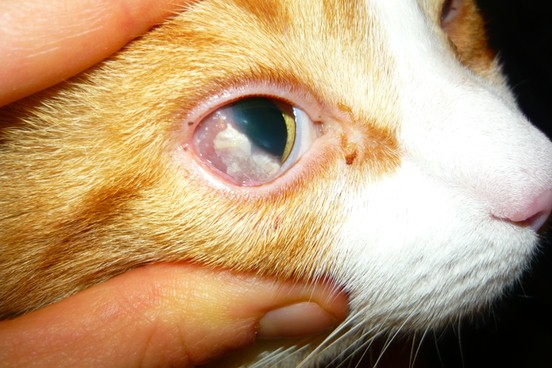
Basically, Keratitis affects the eye’s vision as corneal inflammation occurs in this condition. It mainly has two types, ulcerative and non-ulcerative keratitis. There are various causes like trauma, infection, and the loss of ability to close the eyes completely. Feline herpes-virus is also causing it.We use eye drops for treatment, and sometimes surgery is required.
A veterinarian detects this bacteria or virus and advises pain-relieving and survival treatment.
Corneal ulceration:
Corneal ulceration is a tear in the front part of the eye or a scratch in the cat’s eye. Symptoms are pus like or sticky discharge from the eye, increased redness, and swelling may be there. It makes the eye sensitive to light. It occurs because of different causes mainly injury, infection, or inner eye disease.
A veterinarian prescribes antibiotic eye drops for mild corneal ulcers and suggests surgery in severe conditions.
Recovery of glazed eyes of cats:
Glazed eye recovery depends upon the severity of the condition and medical treatment effectiveness on the affected eye.
- You must follow your veterinarian’s instructions strictly and carefully. Proper medications can improve the condition and bring it to cure. In negligence, you may find aggressive results in loss of sight.
- Minor corneal ulcers and keratitis take a short duration for recovery, like three to five days. Infectious ulcers take a long time to heal. It all depends upon your cat’s condition.
- In the case of cataracts and glaucoma, the vet keeps the follow-up sessions for proper monitoring.
FAQs about Cat Eye Problems:
Q1. Can a cat’s cloudy eye heal on its own?
A1: Cat’s cloudy can’t heal on its own. The cloudy eye is indicative of several eye diseases that include corneal ulceration, keratitis, cataracts, and glaucoma. Proper veterinary treatment is required. If left untreated, it eventually results in blindness in severe conditions.
Q2. Why does one of my cat eyes look glassy?
A2. Due to excessive tearing and inflammation, cat eyes look glassy. Your cat needs an urgent veterinary visit.
Q3. Write down the symptoms of a cat going blind.
A3. Here are some of these symptoms:
– Cloudy eyes
– Wide pupils
– Stroll, with wider legs than usual.
– Tensed and concealing
– Unwilling to go outside in the dark
– Behavioural changes.
– Having trouble finding its litter box.
Q4. Can cat blindness be reversed?
A4. Proper veterinary treatment can store partial vision with a retinal detachment in a cat, but mostly permanent blindness occurs.
Q5. Is cat conjunctivitis an emergency?
A5. A mild case of conjunctivitis may resolve on its own. But in case of severe eye conditions, one should visit the vet.
Q6. What are the causes of eye problems in kittens?
A6. glazed over or cloudy eyes in kittens due to:
– Viral infection
– Conjunctivitis
– Feline herpes
– Keratitis
– Uveitis
– Blepharitis
Leave a Reply